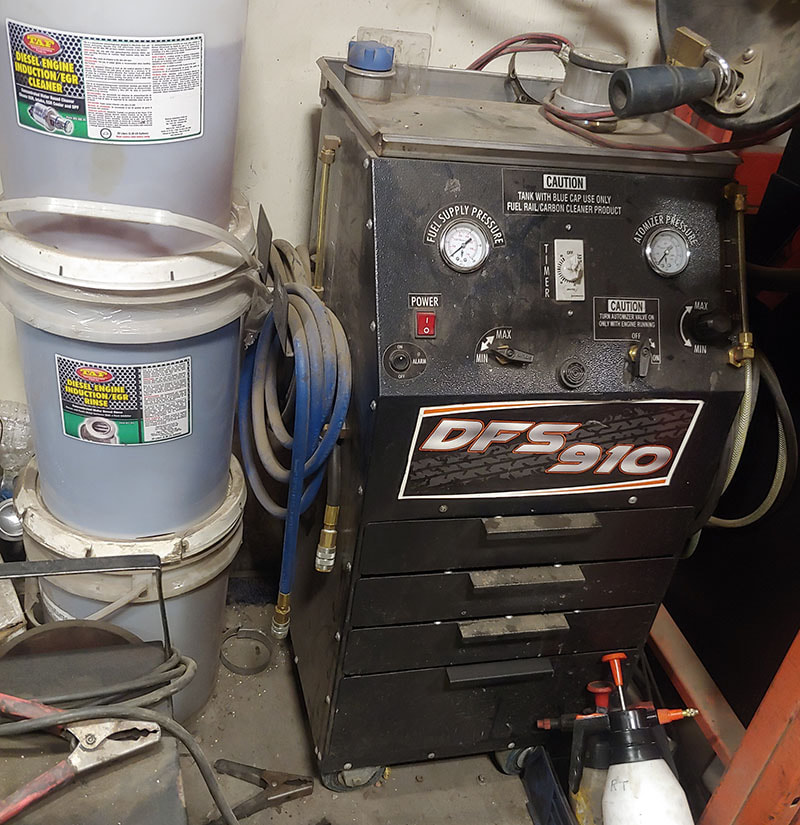

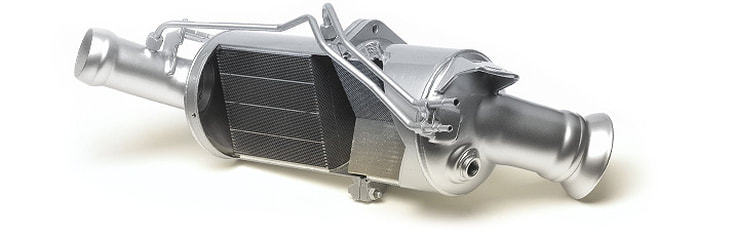
For heavy trucks, commercial diesel vehicles, equipment, and fleets, the diesel particulate filter, or DPF, plays an important role in emissions control and engine performance. When the DPF is working properly, it helps capture soot from exhaust gases before they leave the vehicle.
When it becomes restricted, clogged, or unable to regenerate properly, it can lead to warning lights, reduced power, higher fuel use, forced downtime, and expensive repairs. For Calgary fleet managers, contractors, truck owners, and equipment operators, that kind of downtime can quickly affect productivity.
At West Tech Mobile, we help with heavy truck repair, diesel diagnostics, fleet service, and preventative maintenance in Calgary. If your truck is having DPF problems, or if you want to reduce the chance of future issues, the tips below can help you understand what affects DPF life and when to book service.
Quick Answer: How Do You Extend the Life of a Heavy Truck DPF?
The best way to extend the life of a heavy truck DPF is to keep up with regular maintenance, avoid excessive idling, address warning lights early, use quality fuel and oil, maintain proper engine operating temperature, and make sure the truck has opportunities to complete regeneration cycles.
DPF problems are often connected to other issues, including fuel quality, engine performance, coolant temperature, sensors, exhaust leaks, EGR concerns, injectors, turbo problems, or driving conditions that prevent proper regeneration. That is why proper diagnostics matter before replacing parts.
What Is a Diesel Particulate Filter?
A diesel particulate filter is an emissions-control component found on many modern diesel vehicles. Its job is to trap soot and particulate matter from exhaust gases so fewer particles are released into the air.
Over time, the DPF fills with soot and ash. Some soot can be burned off through regeneration, but ash and other buildup may require professional service or cleaning. If the filter becomes too restricted, the truck may lose power, trigger warning lights, go into derate, or require repair before it can keep operating normally.
For heavy trucks and fleet vehicles, the DPF should be treated as part of the larger diesel system, not as an isolated part. Engine condition, fuel system performance, EGR function, sensors, driving conditions, idle time, and maintenance habits can all affect how long the DPF lasts.
What Is DPF Regen?
DPF regen, short for regeneration, is the process of burning soot inside the diesel particulate filter so the filter can continue doing its job. Regeneration usually happens when exhaust temperatures are high enough to burn off accumulated soot.
There are a few common types of DPF regeneration:
Passive Regen
Passive regeneration happens naturally while the truck is being driven under the right conditions. Highway driving, higher exhaust temperatures, and steady operation can help create the conditions needed for the DPF to clean itself.
Active Regen
Active regeneration happens when the truck’s system raises exhaust temperature to help burn off soot. The driver may notice changes in engine sound, idle behaviour, fuel use, or system messages during this process.
Parked or Forced Regen
A parked or forced regen may be required when the truck cannot complete regeneration during regular operation. This may happen after too much idling, stop-and-go driving, repeated short trips, or an unresolved issue that prevents proper regeneration.
If your truck frequently asks for regen, fails regen, or keeps showing DPF warnings, it should be diagnosed. Repeatedly forcing regen without finding the cause may not solve the actual problem.
Why You Should Identify DPF Problems Early
DPF problems are easier to deal with when they are caught early. If warning lights, soot load problems, or regen issues are ignored, the truck may eventually derate or require more expensive repairs.
Prevent Costly Repairs
When a DPF issue is found early, the repair may be simpler. Waiting too long can allow soot loading, heat issues, sensor problems, or related engine concerns to create more damage.
Protect Engine Performance
A restricted DPF can reduce power, affect fuel economy, and make the truck feel sluggish under load. If your truck is losing power, struggling during acceleration, or showing DPF-related warnings, diagnostics can help identify the actual cause.
Reduce Fleet Downtime
For fleets and commercial operators, one truck down can affect scheduling, jobsite work, deliveries, and customer commitments. DPF maintenance and early diagnostics can help reduce unexpected downtime.
If your truck is showing warning lights, losing power, or repeatedly requesting regen, West Tech Mobile can help with heavy truck computer diagnostics in Calgary.
What Factors Affect DPF Life and Reliability?
Several factors can affect how long a DPF lasts and how often it needs attention. Many DPF problems are caused by operating conditions or engine issues that create too much soot or prevent the truck from completing regen properly.
Common factors include:
- Excessive idling
- Frequent short trips
- Stop-and-go driving
- Cold weather operation
- Poor fuel quality
- Incorrect or low-quality engine oil
- Unresolved injector or fuel system issues
- EGR or turbo problems
- Coolant temperature problems
- Faulty sensors or wiring
- Exhaust leaks
- Ignoring DPF warning lights
In Calgary, cold weather can make DPF issues more noticeable. Trucks that idle for long periods, operate in stop-and-go conditions, or do not reach proper operating temperature may have more trouble completing regeneration.
If winter performance is a concern, you may also want to review our guide to heavy truck and equipment winter preparation.
6 Preventative Maintenance Tips for Extending DPF Life
1. Avoid Excessive Idling
Long idle time can contribute to soot buildup and make DPF problems worse. While idling is sometimes unavoidable in commercial work, reducing unnecessary idle time can help support DPF performance.
2. Give the Truck Time to Complete Regen
If the truck is trying to complete regeneration, interrupting the process repeatedly can lead to more soot buildup. Drivers should understand the truck’s regen messages and follow the proper process for that vehicle.
3. Use Quality Fuel and the Correct Oil
Poor fuel quality, contaminated fuel, or incorrect engine oil can contribute to soot, ash, and aftertreatment issues. Use the proper oil and fuel for the truck and follow the manufacturer’s maintenance schedule.
4. Keep Up With Engine Maintenance
The DPF is affected by the health of the engine. Injector problems, air intake issues, boost leaks, EGR problems, coolant temperature concerns, and other engine issues can all increase soot production or interfere with regeneration.
5. Do Not Ignore Warning Lights
DPF warning lights, check engine lights, derate warnings, or repeated regen requests should be dealt with early. Waiting until the truck is in derate can make the repair more stressful and more expensive.
6. Use Preventative Maintenance for Fleet Vehicles
Fleet vehicles should be inspected and maintained on a schedule. Regular service can help find early warning signs before a DPF issue turns into a breakdown.
For commercial operators, a scheduled preventative maintenance program for heavy trucks can help reduce surprise repairs and keep vehicles ready for work.
Can a DPF Be Cleaned or Reconditioned?
In many cases, a DPF can be professionally cleaned or serviced, depending on its condition and the cause of the problem. However, cleaning the filter without correcting the underlying issue may only provide a temporary fix.
For example, if a truck has injector problems, EGR issues, coolant temperature problems, exhaust leaks, or sensor faults, the DPF may become restricted again after cleaning. Proper diagnosis helps determine whether the filter itself is the issue or whether another system is causing repeated DPF problems.
West Tech Mobile can help inspect the system, diagnose related issues, and recommend the right repair or maintenance approach for your truck or fleet.
What About DPF Delete?
Removing or disabling emissions equipment can create legal, environmental, and operational problems. For commercial diesel vehicles, it is better to maintain and repair the aftertreatment system properly instead of removing the DPF.
If your truck is having repeated DPF problems, the best next step is diagnosis. A technician can check whether the problem is related to the filter, sensors, wiring, fuel system, EGR system, coolant temperature, turbo performance, or another issue affecting regeneration.
When to Book DPF Diagnostics or Service
You should book diagnostics if your truck has repeated DPF warning lights, failed regen, frequent regen requests, derate warnings, poor power, high fuel use, excessive smoke, or ongoing aftertreatment fault codes.
Book service sooner if the truck is part of a fleet, used for hauling, needed on jobsites, or relied on for daily commercial work. Early diagnosis can help reduce downtime and avoid more expensive repairs.
West Tech Mobile: Heavy Truck DPF Service in Calgary
West Tech Mobile helps Calgary truck owners, contractors, and fleet managers with heavy truck repair, DPF concerns, diagnostics, preventative maintenance, and diesel service. Our shop is located at #22, 5555 51 Ave SE in Calgary, close to Foothills Industrial, Peigan Trail, Barlow Trail SE, 52 Street SE, and Glenmore Trail.
We work with heavy-duty trucks, commercial diesel vehicles, equipment, and fleets throughout Calgary and the surrounding area. If your truck is showing DPF warnings, struggling with regen, losing power, or creating downtime, our team can help diagnose the issue and recommend the right next step.
Need help with heavy truck DPF problems? Contact West Tech Mobile or call 403.265.5699 to book diagnostics or service in Calgary.
Heavy Truck DPF FAQs
How can I make my DPF last longer?
You can help your DPF last longer by reducing unnecessary idling, keeping up with engine maintenance, using quality fuel and the correct oil, allowing regeneration cycles to complete, and addressing warning lights early.
What causes a DPF to clog?
A DPF can clog because of excessive soot, interrupted regeneration cycles, too much idling, frequent short trips, poor fuel quality, incorrect oil, engine performance problems, sensor faults, or other issues that prevent proper regeneration.
Can a DPF be cleaned instead of replaced?
In many cases, a DPF can be professionally cleaned or serviced, depending on its condition. However, the underlying cause of the problem should also be diagnosed so the filter does not become restricted again.
What does it mean when a truck keeps asking for regen?
If a truck keeps asking for regen, it may not be completing regeneration properly or it may be producing too much soot. The cause could involve driving conditions, excessive idling, sensor problems, fuel system issues, EGR concerns, or other engine-related problems.
Where can I book heavy truck DPF service in Calgary?
You can book heavy truck DPF diagnostics and service with West Tech Mobile in southeast Calgary. The team works with heavy-duty trucks, commercial diesel vehicles, equipment, and fleets throughout Calgary and the surrounding area.